Professional Driveway Cleaning in Dorset Block Paving, Tarmac & Concrete; Restored.
A proper rotary clean strips out years of grease, moss, weeds and black algae, then we re-sand block paving joints as standard, the step most cheaper quotes leave out. Owner-led, fully insured, and quoted on-site so you know exactly what you're getting before we start.
5.0 Google · 10 reviews £10M public liability Reply usually within 30 minutes
£10M Public Liability
£5M Employers' Liability
Reply in 30 minutes
During contact hours
Re-Sanding Included
Standard on every job
Owner-Led Team
Adam runs the business
5-Star Google Rated
Verified customer reviews
The Service
What this job actually involves.
A driveway clean is a deep rotary wash: a rotating twin-jet head that lifts ingrained dirt, moss, algae and oil residues out of the joints and off the surface without gouging paving. Once dry, we re-sand block paving joints with fresh kiln-dried sand, the step that stops weeds coming back through and locks the blocks together so they don't rock underfoot. Concrete and tarmac get a different approach: chemistry first, pressure calibrated to the surface.
Who it's for
Homeowners whose driveway is greened over, weeded through the joints, or streaked black from car drips; landlords tidying up between tenancies; commercial sites where a car park or trade forecourt gives the wrong first impression to customers arriving.
When you need it
If the joints are full of moss, weeds are sprouting from between the blocks, the paving is visibly two-tone from algae, or oil spots are permanent and darkening, it's time. Once weeds establish real root systems in the sand joints, they lift blocks; deal with them before that happens and the fix is cosmetic, not structural.
Why it needs a specialist
Domestic pressure washers can't shift bonded algae or lift compacted debris from joints, and the ones that can (rotary heads) damage soft blocks or over-strip tarmac when used at the wrong pressure. Getting the right rotary head, water flow and post-clean re-sand routine is what separates a driveway that stays clean for years from one that greens over the following spring.
How we quote
For most work we prefer to visit in person so the quote is accurate, no online guesswork. Roof cleans can also be quoted from satellite imagery when a visit isn't convenient. Payment is on completion, cash or bank transfer, no deposits.
Why Waiting Costs More
Left untreated, small problems get expensive.
A neglected driveway isn't just an eyesore, it slowly damages itself. The longer it's left, the further it moves from a cosmetic clean toward a full re-lay.
What happens if it's ignored
Weeds rooted in the joints eventually lift and rock blocks, creating trip hazards and pushing paving edges out of line.
Moss and algae stay wet long after rain, meaning the whole surface is slippery in autumn and winter, especially dangerous on sloped or stepped drives.
Empty joints let water erode the sub-base underneath. Once the sub-base washes out, blocks settle unevenly and re-laying is the only fix.
Ingrained oil and tyre scuff marks bond into porous surfaces if left. Same drips, treated within a year, come out cleanly.
Grubby driveways knock kerb appeal, and property value, at exactly the moment you want it highest, whether that's for sale, valuation, or letting.
Common DIY mistakes
Renting a domestic pressure washer with a fan nozzle, it blasts joint sand out in minutes and leaves the driveway less stable than before.
Cleaning without a plan to re-sand the joints. The paving looks great for a week, then the first heavy rain washes the surface dirt back into empty gaps.
Using patio cleaner as a weedkiller, it kills the leaf, not the root, so weeds regrow within the season.
Sealing over dirty joints. Any sealer applied to a not-fully-clean surface locks the dirt in permanently.
Ignoring the edging courses. If the edge blocks have shifted, cleaning the middle just highlights the problem.
Our Process
A methodical system, not a rushed hose-down.
01
On-site inspection
We visit, measure and identify the paving type, joint condition, drainage falls and any oil or rust spots that need pre-treatment. Written quote before any work starts.
02
Pre-treatment
Weeds knocked back where present. Oil spots dosed with a degreaser and left to dwell so the rotary clean can lift them cleanly.
03
Rotary deep clean
Twin-jet rotary head passed across the whole surface at calibrated pressure, enough to lift ingrained dirt, not enough to damage the block face.
04
Rinse and dry
Full rinse to remove suspended dirt and biocide residues. We leave the surface to dry before re-sanding, timing matters, sanding wet paving is pointless.
05
Re-sand and finish
Fresh kiln-dried sand brushed and vibrated into joints on block paving. Optional sealing available (Smartseal-trained). Photos and payment on completion.
The Payoff
What you actually get for the money.
Real depth of clean
Rotary equipment lifts what a domestic pressure washer can't, algae bonded into the surface, oil that's soaked in, moss compacted into joints.
Re-sanding included
Kiln-dried sand back into every joint on block paving. Not an extra, not a call-back, it's part of the job.
Weeds gone at the root
Combined mechanical extraction plus chemistry stops regrowth for a full season or more, depending on aspect and shade.
Kerb appeal restored
The single biggest visual upgrade to most homes. Selling or letting? Do this before the marketing photos.
Optional sealing
Smartseal-trained: we can seal block paving after cleaning to lock in the finish, deepen the colour and repel oil for years.
No pressure damage
We calibrate to the surface, soft concrete blocks, natural stone setts, tarmac and concrete slabs all get different handling.
Recent Transformations
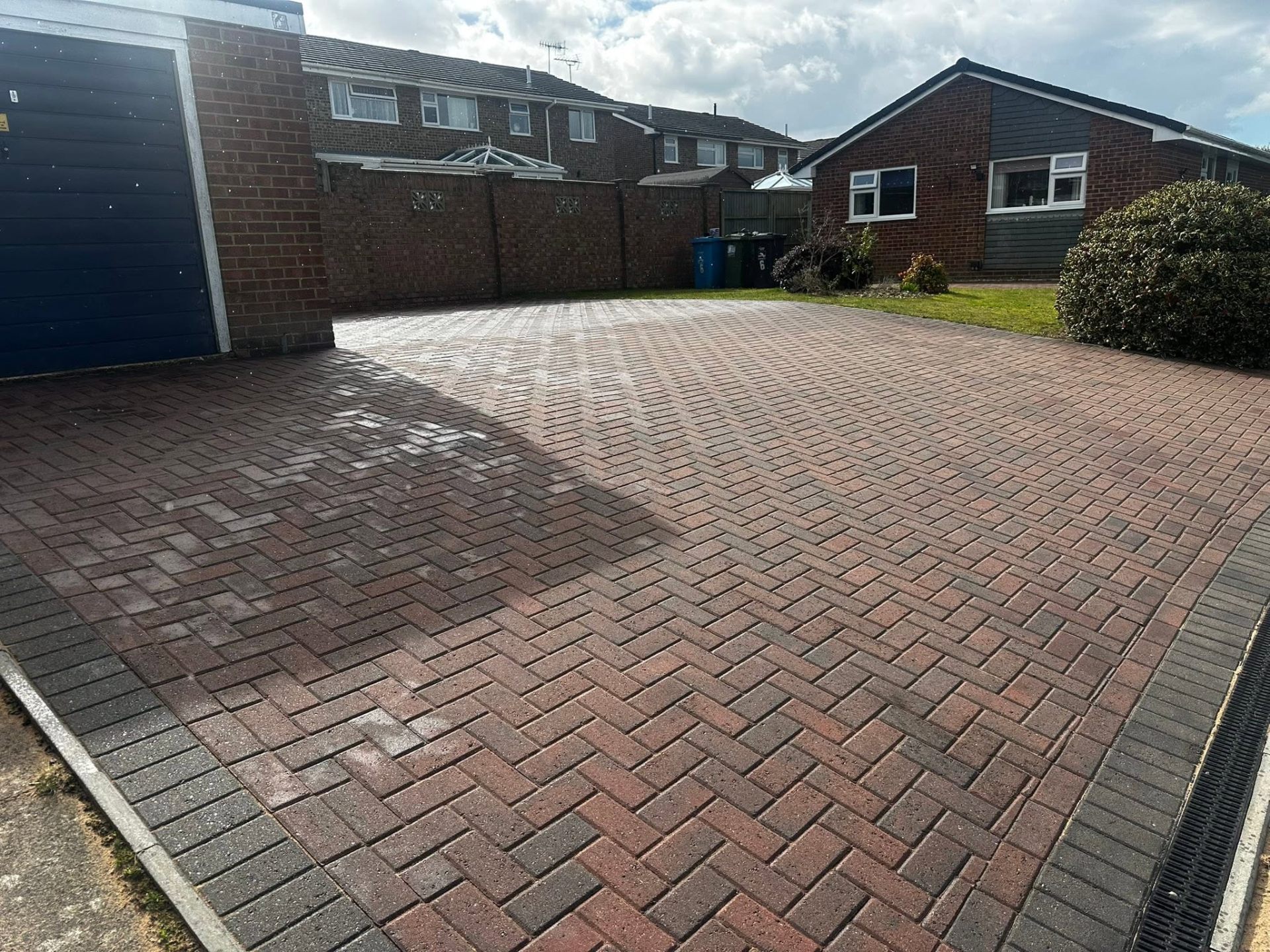
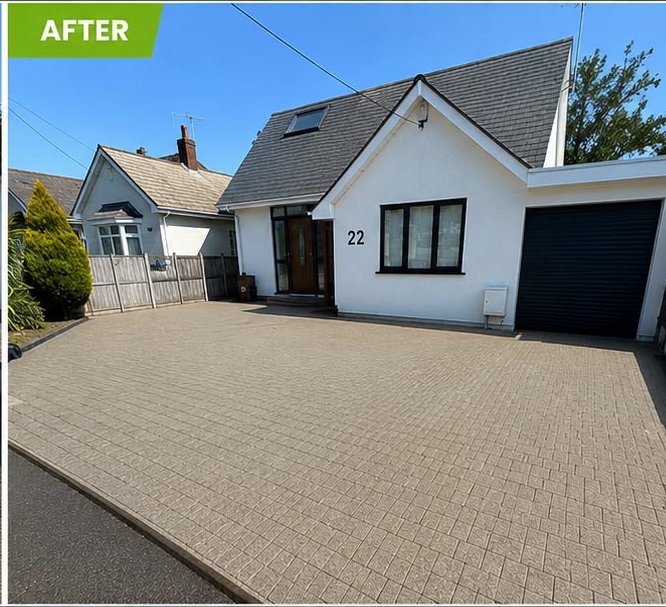
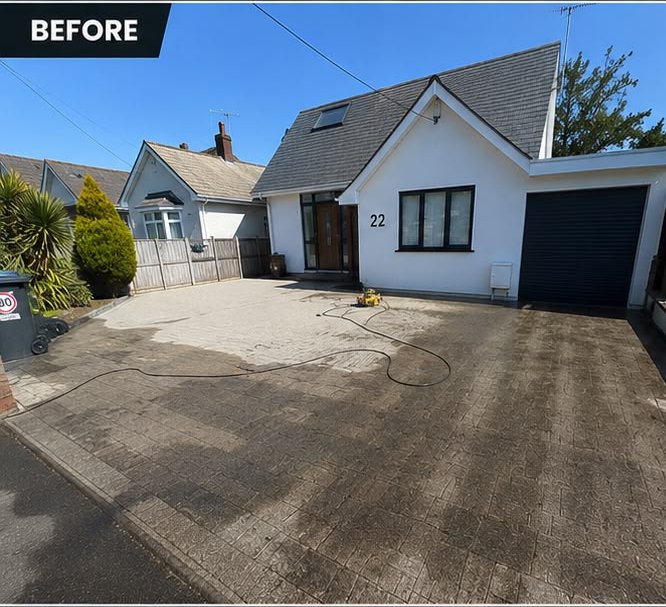
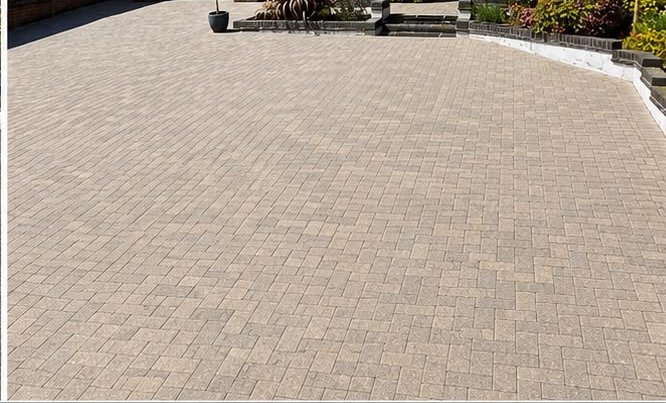
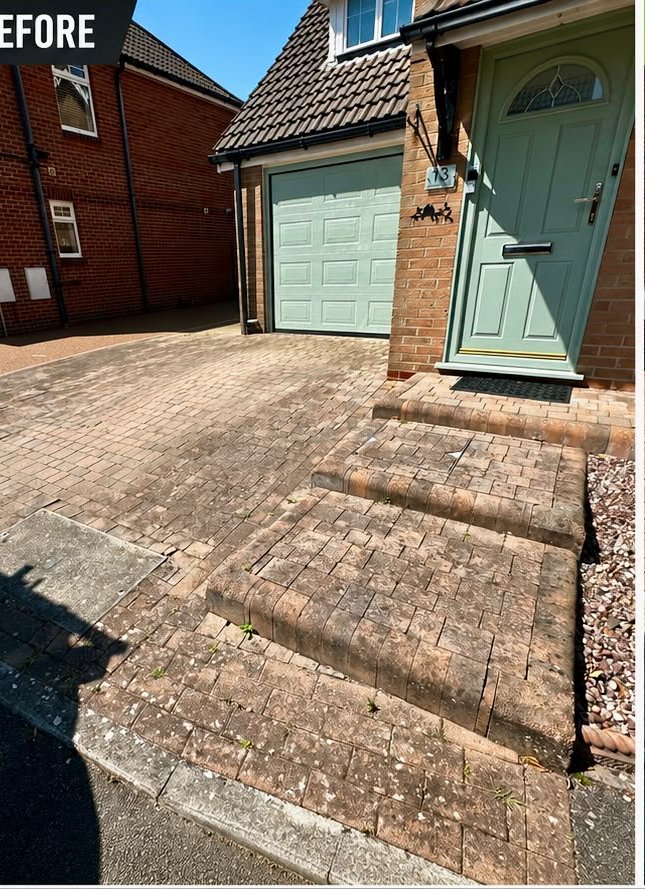
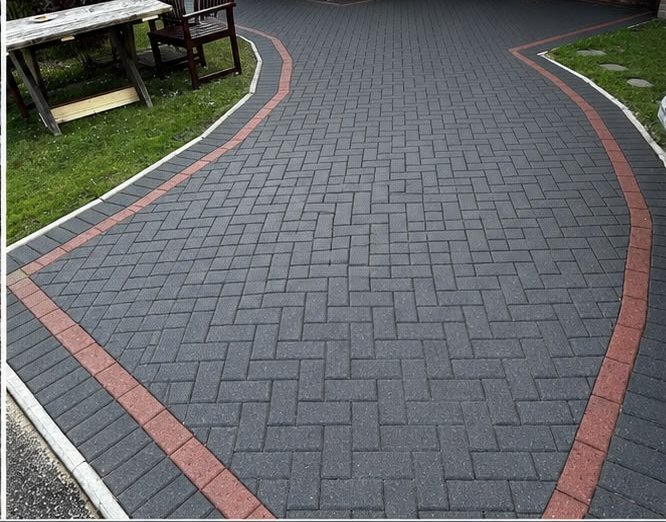
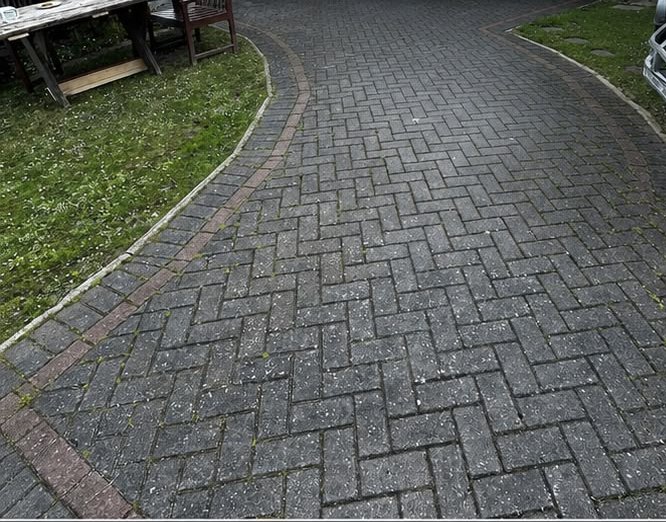
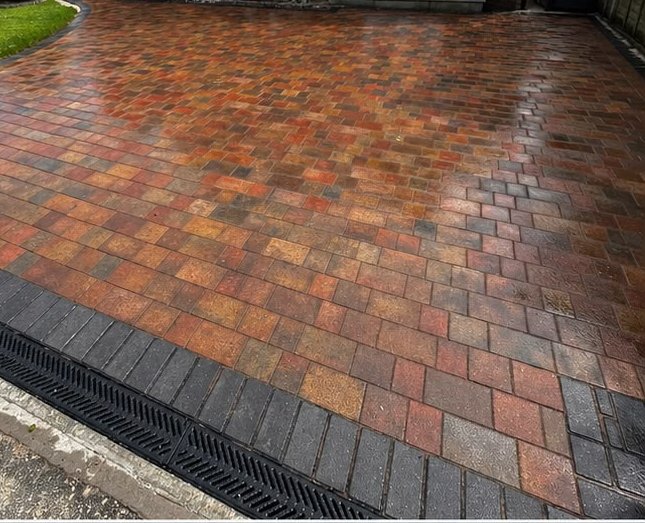
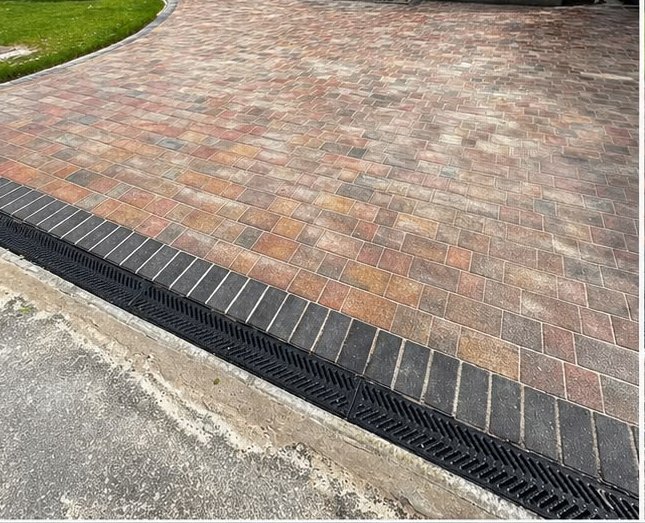
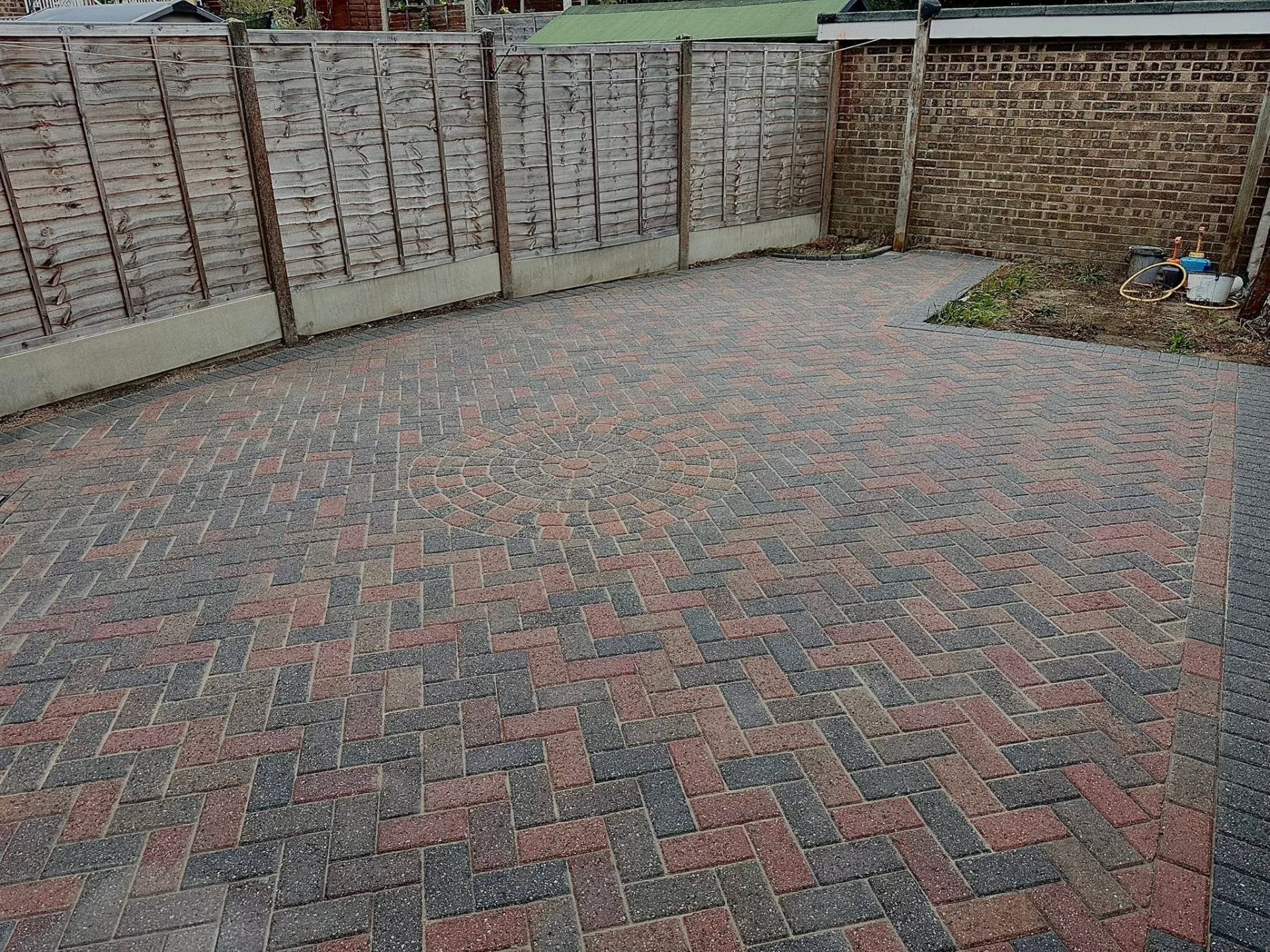
Real Dorset before-and-afters.
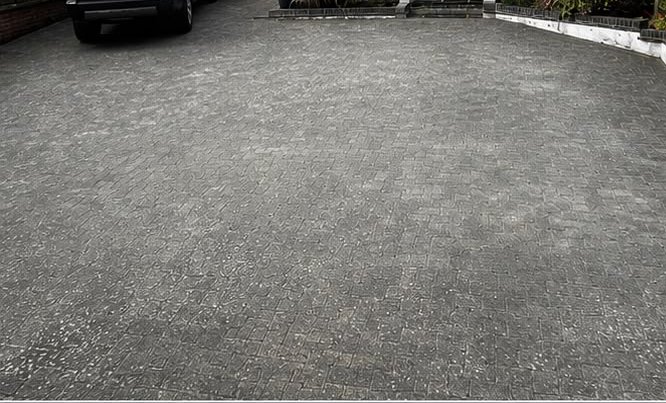
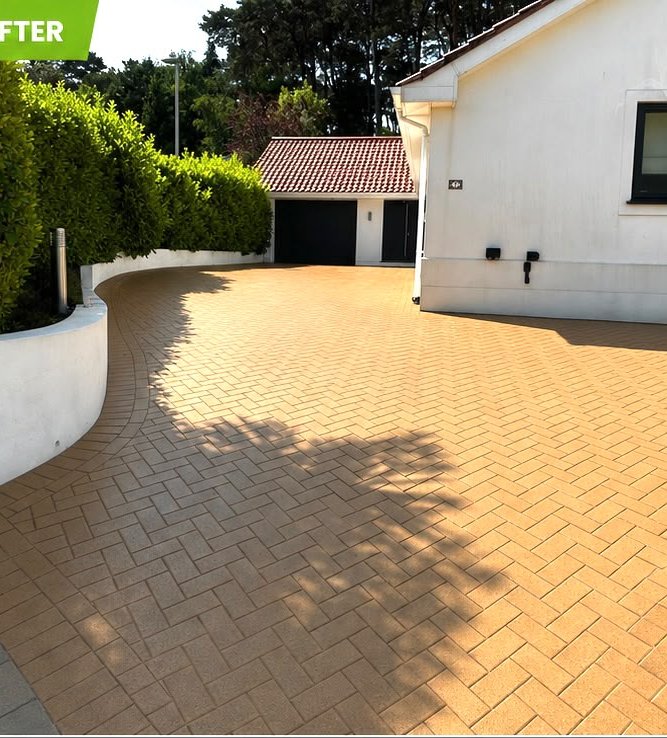
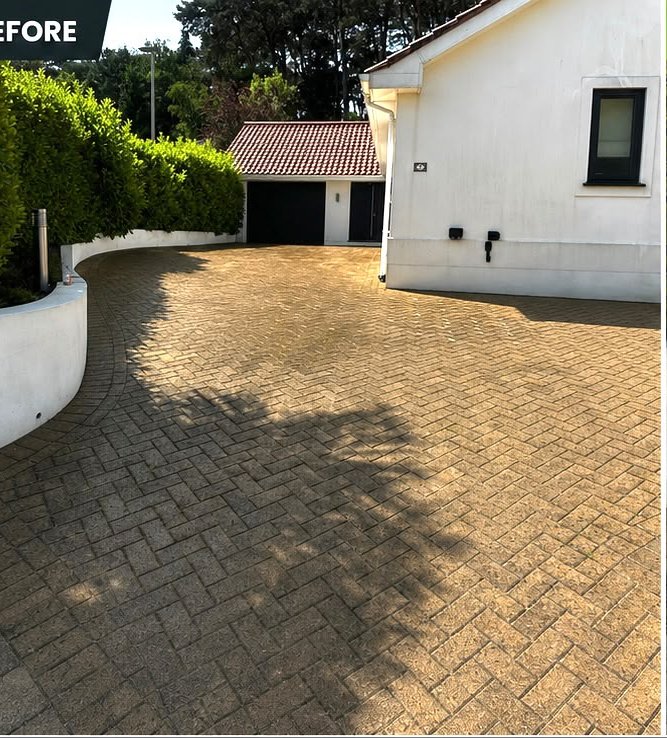
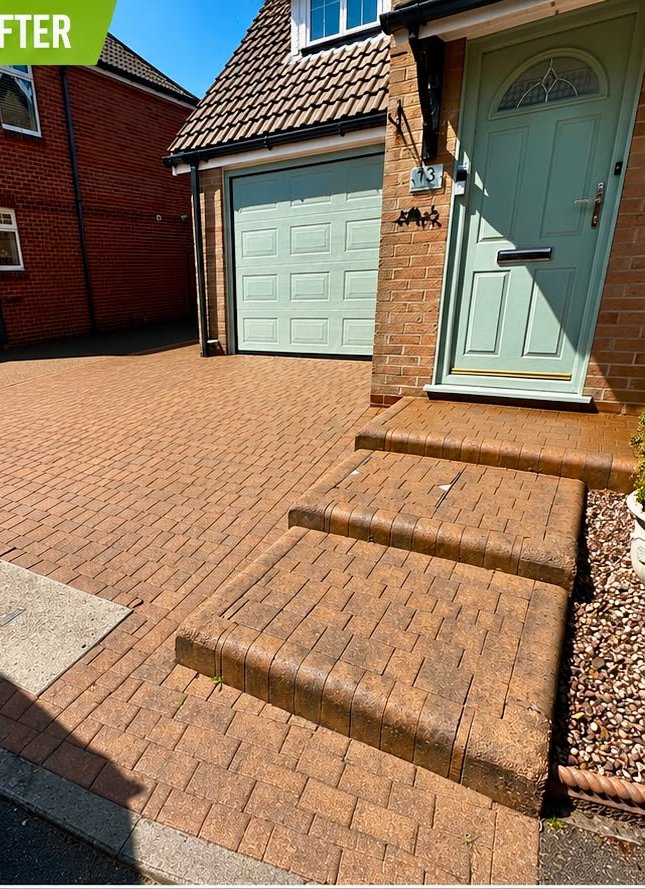
A selection of recent projects, actual customer results, not stock photography.
Every surface behaves differently under pressure, water temperature and chemistry. Here's the technical detail behind the work, the reason we don't quote sight-unseen for most jobs.
Surfaces we clean
Block paving is the most common driveway in Dorset: Marshalls Drivesys, Tobermore, Bradstone and older interlocking concrete blocks all respond well to a proper rotary clean and re-sand. Tarmac drives need a lighter touch: too much pressure lifts binder and creates permanent light patches, so we use a wider fan at lower pressure. Poured concrete is the toughest surface and takes the deepest clean. Imprinted (patterned) concrete has a coloured surface layer we protect carefully.
Interlocking concrete block paving
Clay pavers and setts
Poured and imprinted concrete
Tarmac and asphalt drives
Natural stone setts and cobbles
Resin-bound drives (chemistry only, no rotary)
The re-sanding step everyone else skips
Cleaning a block driveway without re-sanding the joints is doing half a job. Empty joints let water track down to the sub-base, let weed seeds germinate straight into fresh gaps, and let blocks rock loose under vehicle loads. We use kiln-dried sand, brushed and worked into joints while the paving is fully dry, then vibrated or compacted where needed. On sloped drives we finish with polymeric sand to resist wash-out. This is included on every block paving job, never a chargeable extra.
Sealing; Smartseal-trained, optional add-on
Sealing isn't for every driveway, but where it makes sense it transforms both appearance and durability. Adam is Smartseal-trained, one of the recognised UK training routes for professional block paving sealing. A properly-sealed drive resists oil, prevents joint sand wash-out, cuts moss regrowth, and can be re-sealed on a rolling maintenance schedule. We only offer sealing after cleaning, never over dirty paving, because you'd be sealing the dirt in permanently.
Oil, rust and staining
Fresh oil comes out cleanly with a targeted degreaser and rotary pass. Old, deep-set oil that's been sitting for years may lighten dramatically but not vanish entirely, we're honest about that at the quote stage. Rust from cast iron garden furniture or reinforcing bars needs a specific rust remover; standard cleaner won't touch it. Tyre scuffs and burnout marks respond well to hot-water rotary cleaning when we deploy it for commercial jobs.
Residential vs commercial
Domestic drives are usually a same-day job, sometimes stretching to two if a customer wants sealing on the back of the clean. Commercial forecourts, hotel entrances, retail car parks and trade yards need scheduling around trading hours, we'll work early mornings, evenings or weekends when required. All commercial work is invoiced against a PO with RAMS and insurance certificates provided in advance.
Common Questions
Straight answers, no jargon.
Something not covered here? Send us a message or call Adam directly, most enquiries get a reply within 30 minutes during contact hours (7:30am – 8pm, 7 days).
How much is driveway cleaning in Bournemouth or Poole?
Priced per driveway based on area, paving type, joint condition and any pre-treatment needed. Book a free on-site quote, we'll measure, inspect and give you a firm price in writing before any work starts.
Do you re-sand block paving after cleaning?
Yes, kiln-dried sand back into every joint is standard practice and included in every block paving clean. It's not an extra.
How long does a driveway clean take?
Most standard three-bedroom-house driveways are a single-day job. Larger properties, sloped drives, or drives that also want sealing may run to two days.
Will you kill the weeds coming through my paving?
Rotary cleaning removes existing growth and the joint conditions weeds live in. Follow-up with fresh kiln-dried sand chokes out germination for a season or more depending on shade and aspect.
Can you seal the driveway after cleaning?
Yes; Smartseal-trained, and we only seal cleaned surfaces. Sealing typically lasts 3–5 years and can be maintained on a rolling basis rather than fully re-done each time.
Will pressure washing damage my block paving?
Not the way we do it. Domestic fan-nozzle pressure washers damage joint sand and can pit soft blocks. Our rotary equipment is calibrated to lift dirt at pressure the surface can safely take.
Do you clean tarmac driveways?
Yes, with a different technique, wider fan, lower pressure, chemistry-led. Tarmac cleaned wrongly gets permanent light patches; done right, it comes up dramatically.
How do you handle oil stains?
Pre-treated with a degreaser and dwell time before the rotary pass. Fresh oil often comes out completely; old oil lightens significantly but may not disappear, we'll be honest at the quote.
Do I need to be home?
No, provided we have access to an outdoor tap and can move any vehicles at agreed times. Most customers are at work; we photograph before and after and walk you through on completion.
How soon can you book me in?
Adam replies to most enquiries within 30 minutes during contact hours. Driveways are usually scheduled within 1–3 weeks depending on weather and workload.
Book a free on-site quote. No deposits. Pay on completion.
Adam replies to most enquiries within 30 minutes during contact hours. £10M public liability, £5M employers' liability, RAMS and Method Statements available for commercial work.